Best Shade Trees
Drake Elm
Drake Elm
Couldn't load pickup availability
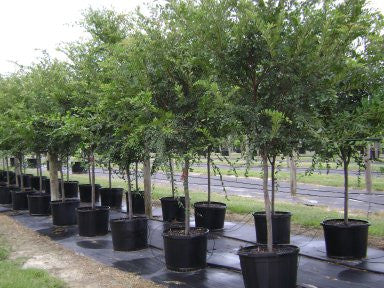
The Drake Elm is a stunning, fast-growing deciduous tree admired for its vibrant foliage and graceful umbrella-like canopy. This striking shade tree can reach heights of 35 to 45 feet, making it a perfect choice for providing ample shade and defining the landscape. Adaptable to diverse conditions, the Drake Elm flourishes in full sun and moist, well-drained soil, offering both beauty and resilience to any garden.
| Growing Zone | 7-10 |
|---|---|
| Mature Height | 35 to 45 ft |
| Mature Width | 35 to 45 ft |
| Sunlight | Full (6-8 hours) |
| Spacing | 35 to 45 ft |
| Growth Rate | Fast |
Planting guide
Begin your journey with the Drake Elm by planting it in a location that promises robust growth and thriving success.
How to plant Drake Elm trees?
To plant a Drake Elm, first ensure the chosen spot receives plenty of sunlight. Carefully remove the tree from its container, placing the root ball in a hole that's twice as wide as the root ball to allow ample room for growth. Backfill with soil, pressing gently to eliminate air pockets and provide stability.
When to plant Drake Elm trees?
The ideal time to plant a Drake Elm is during the dormant seasons of early spring or late fall, when the tree can establish its roots with minimal stress. These months provide optimal conditions for root development before the tree's vigorous growth phase begins. Planting during the recommended times ensures the Elm has the best start possible.
How far apart should you plant Drake Elm trees?
For a beautiful canopy effect, plant Drake Elm trees 35 to 45 feet apart, allowing their branches to spread and provide generous shade. This spacing ensures each tree has ample room to grow to its full mature width without competing for nutrients. Proper distance also contributes to healthier growth and easier maintenance.
About
The Drake Elm is a deciduous marvel that brings beauty and utility to any setting.
How tall does a Drake Elm tree grow?
Typically, a Drake Elm tree reaches a mature height of 35 to 45 feet, making it a prominent feature in the landscape. Its impressive stature is complemented by a similar width, creating a symmetrical and eye-catching form. This substantial height makes it ideal for forming a natural canopy and providing cooling shade.
How long does a Drake Elm tree live?
Drake Elm trees are known for their longevity, often living several decades when properly cared for. This extended lifespan ensures that the shade and beauty they offer can be enjoyed by generations. With regular maintenance, such as proper watering, fertilizing, and pruning, their life expectancy can be maximized.
How fast do Drake Elm trees grow?
Renowned for their swift growth rate, Drake Elm trees can add several feet to their height each year under optimal conditions. They adapt well to a variety of environments and are particularly favored for quick landscaping projects. This rapid growth makes them a favorite for homeowners looking to swiftly enhance their garden's canopy.
How to care for Drake Elm trees?
Caring for Drake Elm trees involves regular watering, especially during dry periods, to maintain moist but not waterlogged soil. An annual or biannual application of balanced, slow-release fertilizer supports their vigorous growth. Pruning in the late winter or early spring helps maintain their form and health, while mulching around the base conserves moisture and minimizes weeds.
When to prune Drake Elm trees?
The ideal time to prune a Drake Elm is in late winter or early spring, before new growth emerges. Pruning during these months reduces stress on the tree and allows for optimal regrowth. This timing also provides clear visibility of the tree’s structure, making it easier to remove dead or damaged branches.
How to prune Drake Elm trees?
Begin pruning by removing any dead, diseased, or damaged branches to promote healthier growth. Focus on maintaining the tree's natural shape by thinning overcrowded branches and eliminating any that cross or rub against each other. Using clean, sharp tools ensures smooth cuts and minimizes the risk of infection.
Share